Equipment Financing for Used Machinery
Share Post
Equipment financing plays a critical role in helping manufacturers acquire production assets without disrupting cash flow. Whether you are leasing used machinery, applying for a term loan, or evaluating structured finance options, the right funding strategy directly impacts profitability and operational efficiency. This guide explains how equipment financing works, compares leasing versus buying, outlines CNC-specific finance options, and walks through qualification requirements so businesses can make confident capital decisions.
Strategic financing is not simply about approval—it is about financing efficiency. Companies that align capital structure with equipment lifecycle typically see stronger returns and improved working capital management.
Equipment Financing Basics
Equipment financing allows businesses to acquire machinery without paying the full purchase price upfront. Instead, companies spread payments over time through loans, leases, or structured finance agreements. This preserves liquidity while enabling immediate production capacity.
Primary finance options include:
- Equipment loans – Purchase the asset outright with borrowed capital
- Leasing used machinery – Pay for usage over a fixed term
- Short-term rentals – Temporary access without long-term obligation
Selecting the right structure depends on usage horizon, cash flow position, and tax planning strategy.
How Equipment Financing Works for Used Machinery
With most equipment financing structures, the lender or leasing company retains ownership until the agreement is satisfied. Businesses gain immediate access to the machinery while making fixed monthly payments. The equipment itself typically serves as collateral, which often simplifies approval compared to unsecured loans.
Finance providers in the capital goods sector offer flexible structures tailored to manufacturing businesses, including customized lease terms and purchase options at the end of the agreement.
Leasing Used Machinery vs. Buying
The decision to lease or buy used equipment depends on operational goals, financial strategy, and asset lifecycle expectations. Each approach has financial and strategic implications.
Benefits of Leasing Used Machinery
Leasing used machinery is attractive for businesses seeking flexibility and lower upfront investment.
- Reduced initial capital outlay
- Predictable monthly payments
- Flexible term structures (often 24–60 months)
- Potential tax-deductible lease payments
- Easier technology upgrades at lease expiration
Leasing supports cash flow management and allows companies to reinvest working capital into operations, staffing, or expansion.
When Buying Used Equipment Makes Sense
- The equipment will be used long term
- Customization or modification is required
- Residual value retention is important
- Depreciation benefits align with tax strategy
Ownership provides full asset control and resale flexibility. For equipment with strong secondary market value, buying can deliver long-term cost efficiency.
Finance Options for CNC Machines
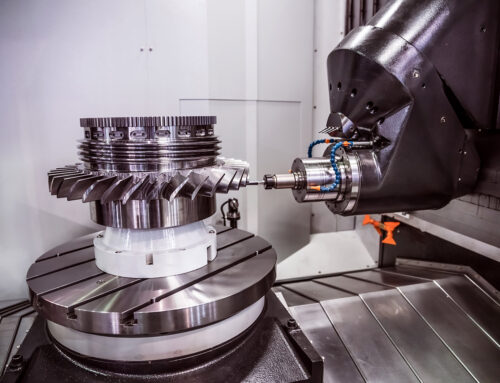
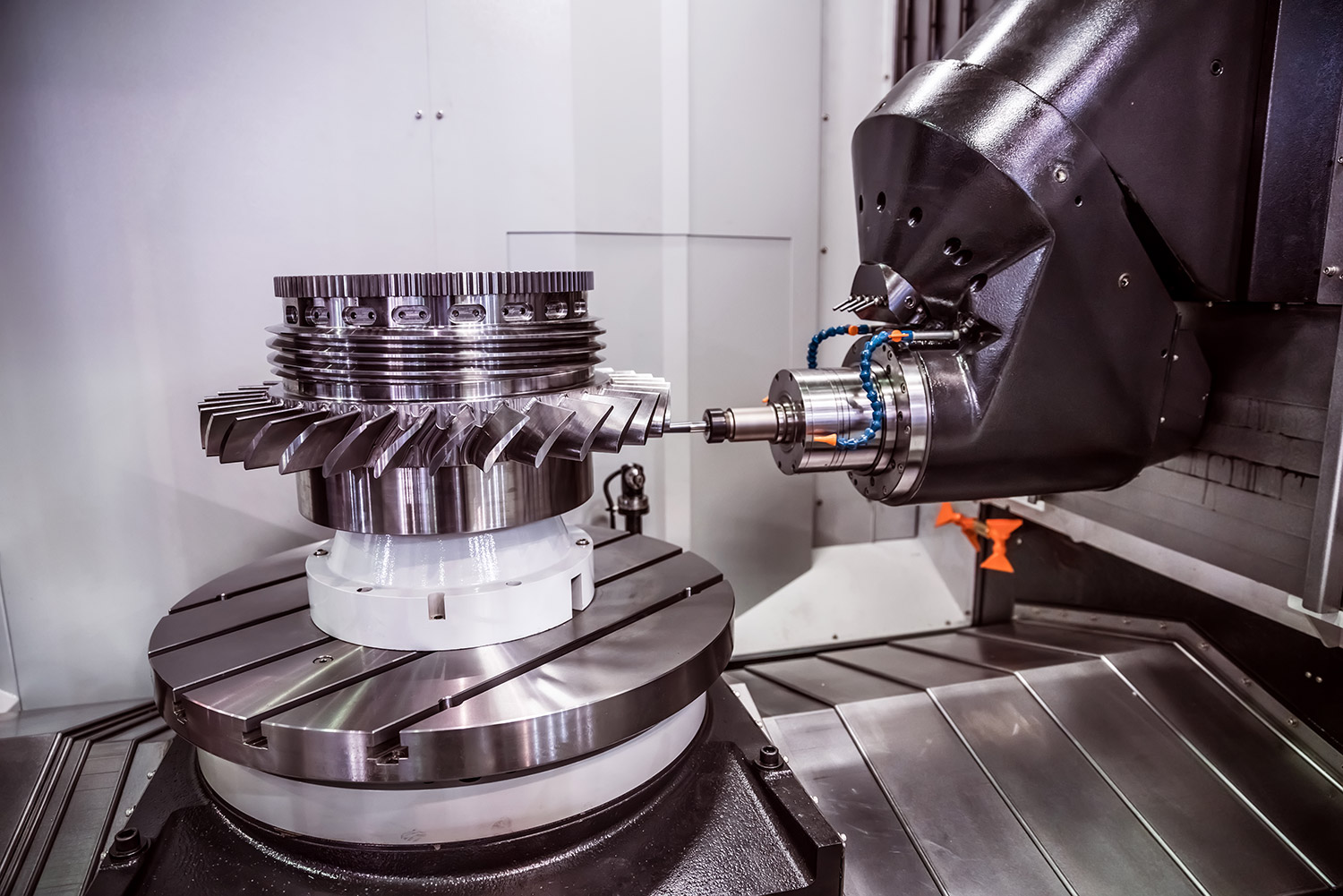
CNC machines represent high-value capital investments, making structured equipment financing especially important.
Financing Used CNC Equipment
- Fixed-rate equipment loans
- $1 buyout leases
- Fair market value (FMV) leases
- Deferred payment programs
Lease terms typically range from 24 to 60 months, depending on machine value, age, and condition. Rates are influenced by credit strength, market demand, and residual value projections.
Working with industry-focused lenders improves approval speed and financing alignment with production needs.
Qualifying for Equipment Financing
Understanding qualification criteria streamlines the application process and improves approval odds.
Credit and Documentation Requirements
- Business credit score (often 650+ preferred)
- Time in business
- Financial statements and tax returns
- Equipment quote or invoice
- Cash flow stability
Strong documentation demonstrates repayment capacity and reduces underwriting friction.
Typical Application Process
- Submit financing inquiry
- Provide financial documentation
- Credit review and underwriting
- Approval and term presentation
- Funding and equipment acquisition
Approval timelines often range from a few days to one week for standard transactions.
Why Leasing Improves Capital Efficiency
Leasing used machinery enhances capital management by reducing large upfront expenditures. This improves liquidity ratios and stabilizes budgeting through predictable payment structures.
For growing manufacturers, leasing supports expansion without tying up cash in depreciating assets. It also allows companies to refresh technology more frequently, maintaining competitive advantage.
Tax Advantages of Equipment Leasing
Lease payments are often treated as operating expenses, which may be tax-deductible depending on jurisdiction. In contrast, purchased equipment is depreciated over time.
For many businesses, leasing can provide cleaner expense alignment and improved short-term tax positioning. Consulting a tax advisor ensures the chosen structure maximizes financial benefit.
Real-World Outcomes of Equipment Financing
- Achieve faster return on investment
- Improve production throughput sooner
- Preserve working capital
- Scale operations with reduced financial strain
Financing does not merely enable acquisition—it supports sustainable operational growth.
Final Thoughts
Effective equipment financing requires evaluating leasing used machinery alongside traditional purchase strategies and alternative finance options. The optimal structure depends on cash flow objectives, tax planning, equipment lifecycle, and long-term business goals.
Manufacturers that strategically deploy financing solutions gain production capacity while protecting capital—positioning themselves for stable growth and stronger financial performance.