Sustainable & Green Manufacturing: A Competitive Necessity
Share Post

Sustainable manufacturing is no longer optional—it is a competitive necessity. Companies focused on green manufacturing strategies that reduce waste and improve energy efficiency are lowering operational costs while meeting stricter environmental regulations. By integrating waste reduction, energy-efficient equipment, and circular economy principles, manufacturers can strengthen profitability and environmental performance simultaneously.
This guide explores how sustainable manufacturing drives measurable cost savings, reduces environmental impact, and positions companies for long-term operational resilience.
Key Benefits of Sustainable Manufacturing
Sustainable manufacturing delivers both financial and environmental returns. Organizations that integrate green manufacturing strategies often experience:
- Lower material and disposal costs
- Reduced energy consumption
- Improved regulatory compliance
- Stronger brand reputation
- Greater investor and customer confidence
Companies that proactively reduce waste and improve resource efficiency gain a competitive advantage while minimizing risk.
How Sustainable Manufacturing Reduces Costs and Impact
The most immediate financial benefit of sustainable manufacturing is cost reduction. Waste reduction strategies lower raw material expenses and shrink disposal fees. Energy-efficient systems reduce utility costs and stabilize long-term operating budgets.
Environmentally, reduced energy use and material waste translate into:
- Lower carbon emissions
- Reduced landfill contribution
- Smaller overall ecological footprint
Addressing both energy and material sourcing—particularly through renewable power and recycled inputs—delivers the largest reductions in manufacturing carbon footprint.
Green Certifications Supporting Sustainable Manufacturing
Third-party certifications validate green manufacturing initiatives and demonstrate accountability.
Common certifications include:
- ISO 14001 – Environmental management systems
- LEED – Sustainable facility design and operations
- ENERGY STAR – Energy performance standards
These certifications enhance credibility and support regulatory compliance while signaling commitment to sustainability.
Industrial Waste Reduction Strategies
To reduce waste effectively, manufacturers must address inefficiencies at the process, machine, and system levels.
Lean Manufacturing Techniques to Reduce Waste
Lean methodologies remain foundational to sustainable manufacturing:
- Value Stream Mapping – Identifies non-value-added activities
- 5S Organization – Improves workflow efficiency
- Just-In-Time (JIT) – Minimizes excess inventory
These methods eliminate overproduction, reduce scrap, and streamline production flow.
CNC Machining and Precision Waste Reduction
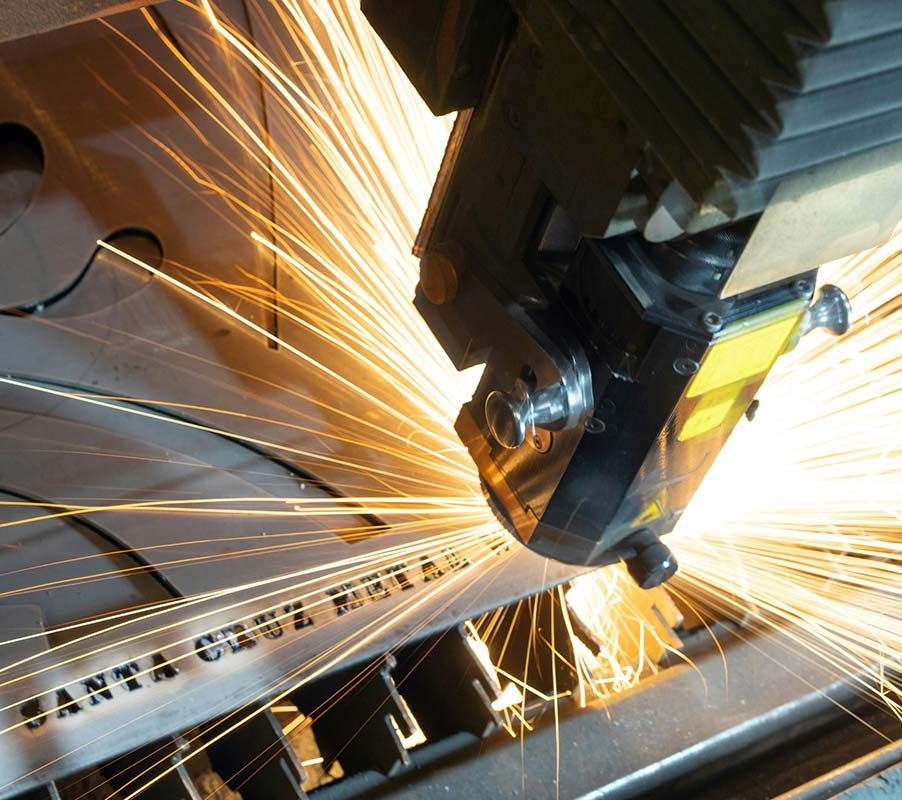
CNC machining supports sustainable manufacturing by maximizing material precision. Computer-controlled cutting and machining reduce scrap rates, improve yield, and enhance consistency.
Precise toolpaths and optimized nesting strategies help manufacturers reduce waste while improving product quality.
Energy Efficiency in Green Manufacturing
Energy-efficient manufacturing equipment is central to reducing carbon footprint and operational expenses.
Energy-Efficient CNC Machines
Modern CNC machines are engineered to:
- Consume less power during idle cycles
- Optimize spindle and motor energy usage
- Reduce heat generation and cooling demands
Lower energy consumption reduces both operational costs and greenhouse gas emissions.
Equipment Features That Enhance Energy Conservation
Energy-saving features include:
- Variable speed drives
- Smart power management systems
- Real-time energy monitoring
- Automated shutdown modes
These technologies allow manufacturers to track usage and implement targeted efficiency improvements.
Circular Economy and Eco-Friendly Manufacturing
Green manufacturing aligns closely with circular economy principles—designing systems that minimize waste and reuse materials whenever possible.
Sustainable Materials in Manufacturing
Increasingly, manufacturers incorporate:
- Recycled metals
- Biodegradable polymers
- Renewable raw materials
- Reprocessed industrial inputs
Using recycled materials significantly lowers embedded carbon emissions compared to virgin resource extraction.
How Circular Integration Reduces Waste
Circular economy integration reduces waste by:
- Designing products for recyclability
- Reusing byproducts as secondary inputs
- Implementing closed-loop production systems
This reduces raw material demand and improves long-term sustainability performance.
Industry Trends in Sustainable Manufacturing (2024–2026)
Manufacturers are accelerating green manufacturing initiatives through digital technologies and operational upgrades.
Emerging trends include:
- IoT-enabled energy monitoring
- Predictive maintenance to reduce downtime
- Renewable energy integration (solar and wind)
- Real-time carbon tracking dashboards
Recent industry case studies demonstrate carbon emission reductions exceeding 25–30% when companies combine energy efficiency with structured waste reduction programs.
Measuring and Reducing Carbon Footprint
To manage sustainability effectively, manufacturers must quantify emissions and track performance.
Tools for Carbon Assessment
Common measurement tools include:
- Carbon footprint calculators
- Energy management software
- Life cycle assessment (LCA) systems
- Emissions reporting dashboards
These tools identify high-impact improvement areas.
Effective Carbon Reduction Strategies
The most impactful strategies include:
- Transitioning to renewable energy sources
- Increasing recycled material usage
- Optimizing machine-level energy consumption
- Implementing structured waste reduction programs
Research confirms that addressing both energy sources and material inputs produces the greatest carbon footprint reductions.
Comparative Impact of Sustainable Practices
Different sustainable manufacturing practices deliver measurable results:
| Practice | Primary Benefit | Impact Level |
| Reduce Waste | Lower costs and environmental impact | High |
| Energy Efficiency | Reduced carbon footprint and operating expenses | High |
| Sustainable Materials | Reduced resource extraction and landfill waste | Medium |
Integrated implementation yields the strongest financial and environmental outcomes.
Final Thoughts
Sustainable manufacturing and green manufacturing strategies are no longer future goals—they are operational imperatives. By implementing systems that reduce waste, improve energy efficiency, and support circular economy principles, manufacturers can lower costs, strengthen compliance, and improve resilience.
A disciplined, data-driven sustainability strategy positions manufacturers to meet evolving environmental standards while driving long-term profitability and growth.