CNC Machinery: An Overview of Trends and Innovations
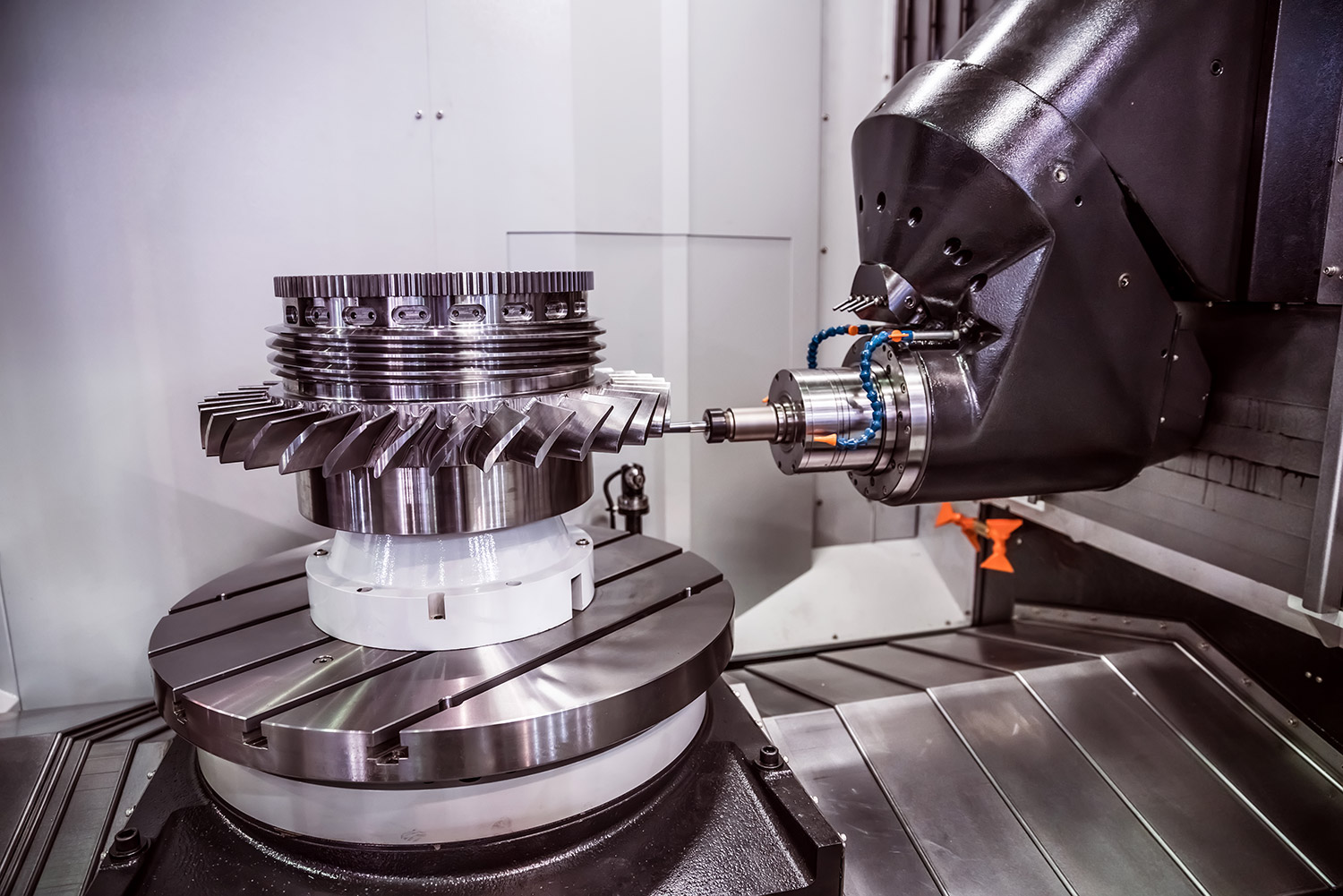
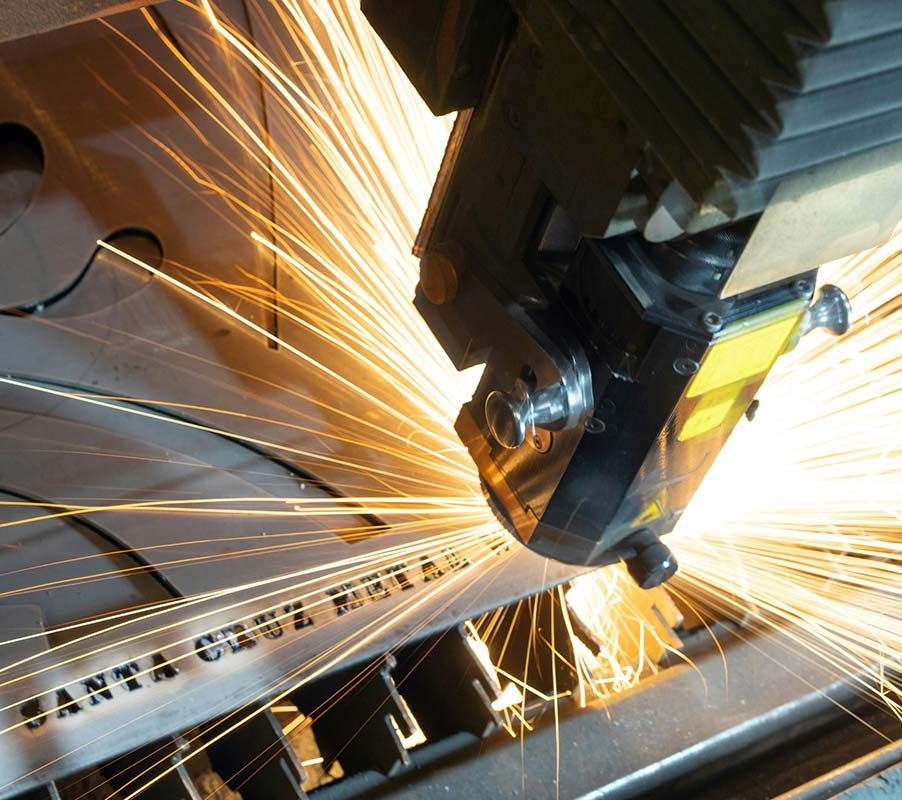
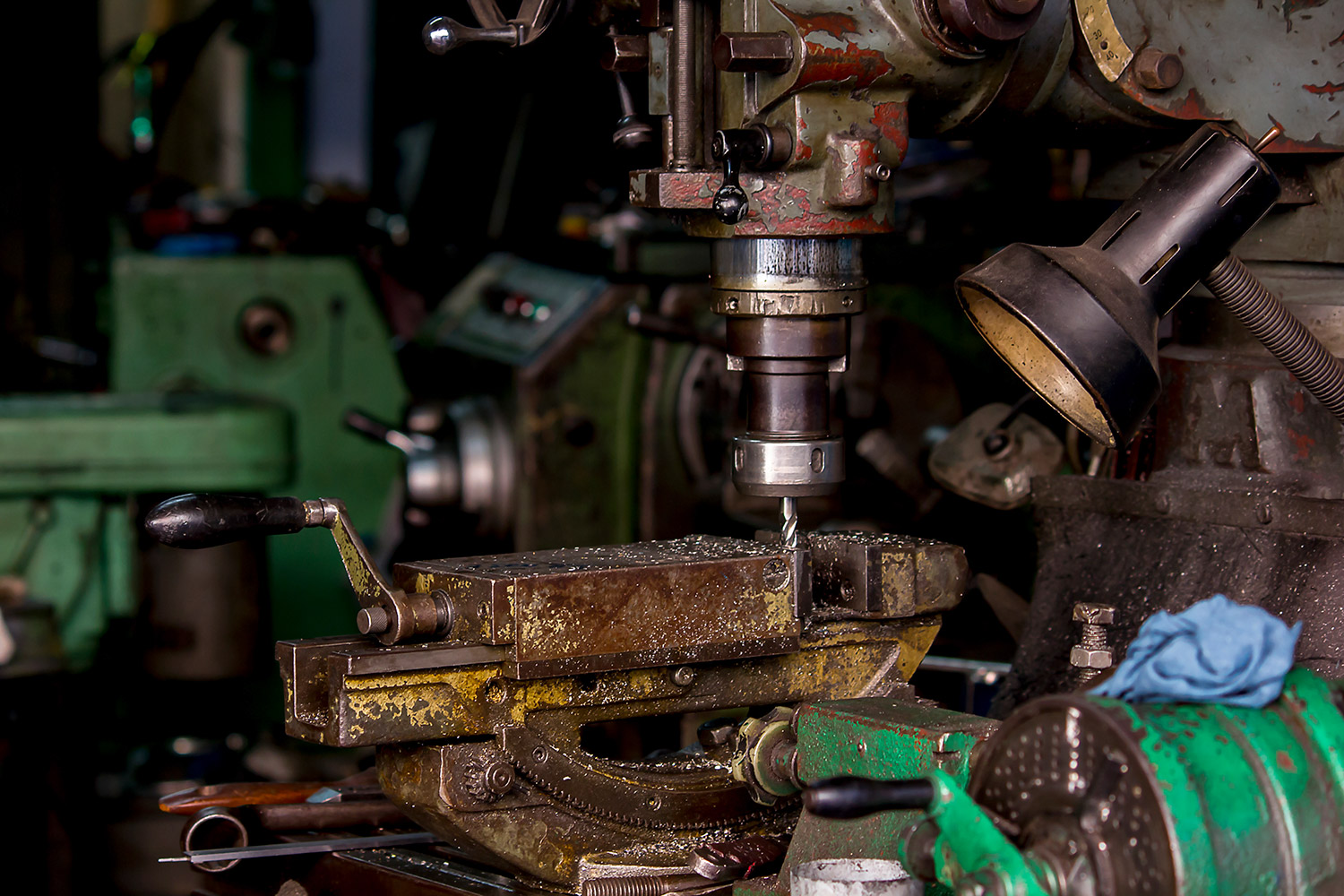
CNC machinery plays a pivotal role in modern manufacturing, enabling precision and efficiency in production processes. Understanding the latest trends in CNC technology helps businesses stay competitive and meet evolving market demands.
Recent innovations include advancements in automation, such as AI-driven CNC machines that enhance operational efficiency and reduce downtime. Additionally, the integration of IoT technology allows for real-time monitoring and predictive maintenance, further optimizing production capabilities.
Investment Strategies in the Manufacturing Sector
Investment in manufacturing is critical for growth and sustainability. Companies are increasingly looking for strategic investments that not only enhance production capabilities but also align with future market trends.
For instance, investing in renewable energy sources and eco-friendly practices is becoming a priority for many manufacturers. This shift not only meets regulatory requirements but also appeals to environmentally conscious consumers, driving long-term profitability.
Quality Assurance in Industrial Services
Quality assurance is essential in the industrial sector, ensuring that products meet international standards and customer expectations. A robust quality assurance program helps mitigate risks and enhances brand reputation.
Implementing standardized quality checks and certifications can significantly improve product reliability. Companies like Avada Factory have adopted rigorous quality control measures to ensure their products consistently meet high standards, thereby gaining a competitive edge in the market.
The Future of Sustainable Manufacturing
Sustainable manufacturing is not just a trend; it is becoming a necessity as industries face increasing pressure to reduce their environmental impact. Companies are exploring sustainable practices that minimize waste and conserve resources.
Examples include using recycled materials in production, optimizing energy use, and implementing waste reduction strategies. By adopting such practices, manufacturers can not only enhance their corporate responsibility but also attract a growing segment of eco-conscious consumers.