Machine Export Guide: Exporting Used Machinery
Share Post
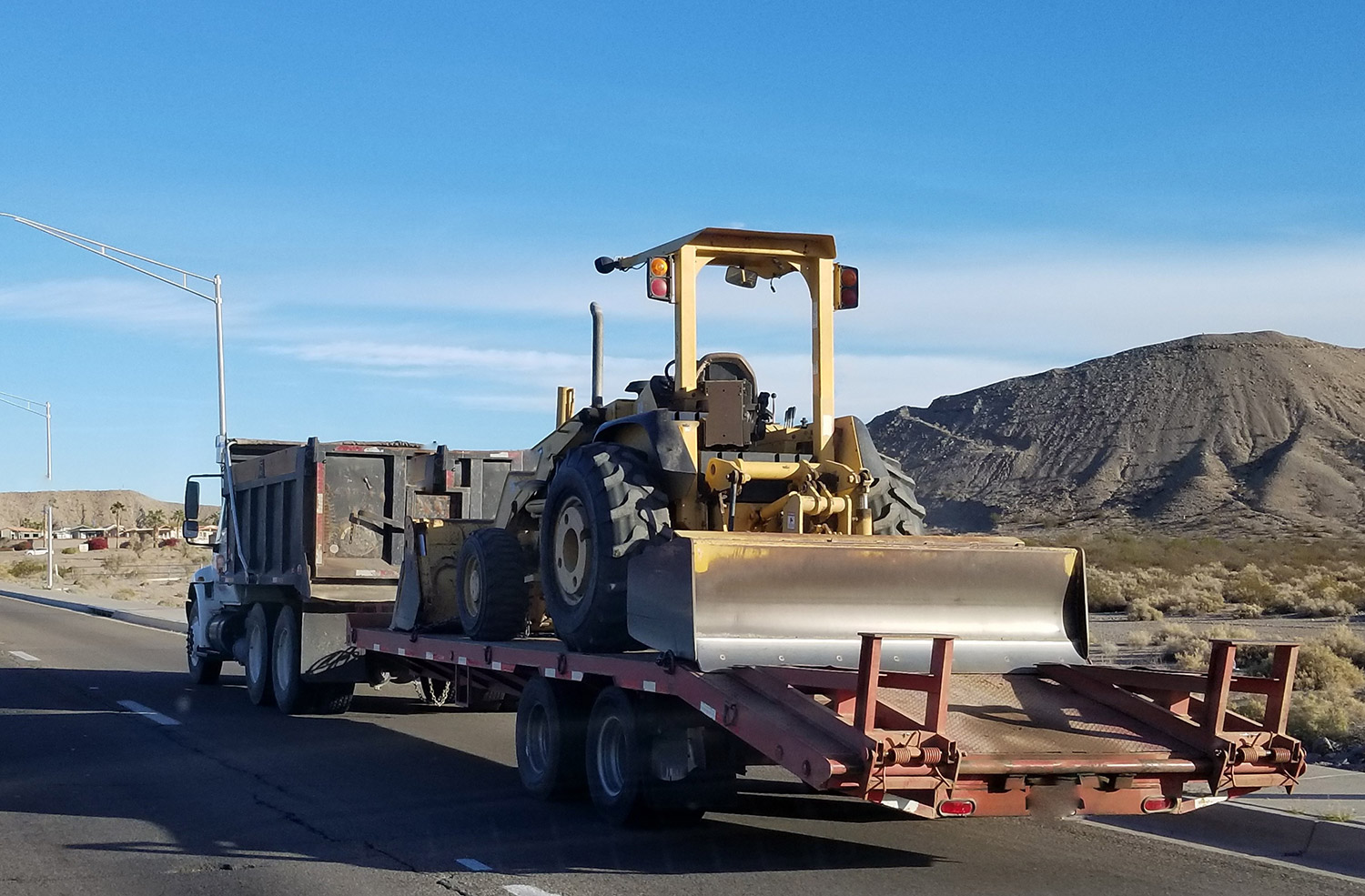
Exporting used machinery requires more than arranging freight. It demands strict adherence to export regulations, accurate documentation, coordinated logistics, customs compliance, and proactive risk management. Businesses that export used machinery successfully understand that regulatory oversight, licensing requirements, and inspection standards directly impact delivery timelines and profitability.
This machine export guide outlines the core compliance requirements, shipping strategies, customs procedures, risk mitigation methods, and market considerations necessary to execute international equipment transactions smoothly and legally.
Understanding Export Regulations for Used Industrial Machinery
Export regulations govern how industrial equipment moves across international borders. These laws ensure machinery meets environmental standards, safety protocols, and national security requirements. Failure to comply can result in fines, shipment seizure, export bans, or reputational damage.
A structured compliance approach protects your business while facilitating smoother cross-border transactions.
Which International Laws Apply When You Export Used Machinery?
Several international frameworks influence machinery exports:
- Basel Convention – Regulates cross-border movement of hazardous materials and waste
- WTO agreements – Promote fair trade practices and dispute resolution
- National export control laws – Govern restricted technologies and dual-use equipment
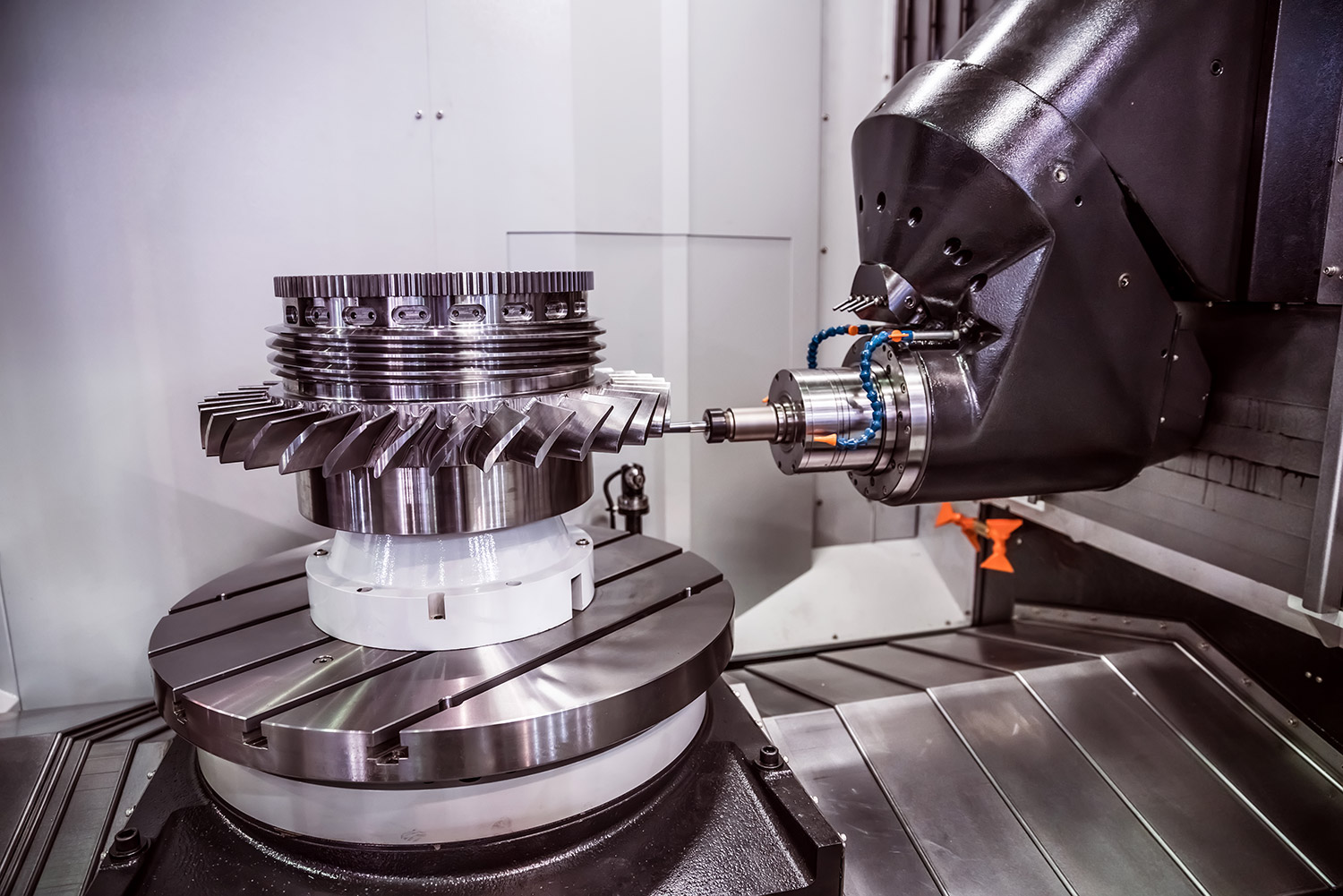
Certain CNC systems, automation controls, or precision manufacturing equipment may fall under export control classifications. Identifying whether machinery requires licensing is a critical first step in compliance.
How to Ensure Compliance with Export Licensing Requirements
Before shipping, determine whether your machinery requires an export license. In the United States, the Bureau of Industry and Security (BIS) regulates export classifications under the Export Administration Regulations (EAR).
Key steps include:
- Properly classifying machinery under applicable export control codes
- Confirming end-user and end-use documentation
- Applying for required licenses before shipment
- Maintaining accurate export records
Incorrect classification or delayed licensing applications are common compliance failures. A proactive review of export regulations reduces legal exposure and shipment delays.
Required Documentation When You Export Used Machinery
Accurate documentation is foundational to export compliance. Missing or incomplete paperwork frequently causes customs delays and financial penalties.
Essential Export Documents for Industrial Equipment
- Bill of Lading – Confirms shipment receipt and transportation terms
- Commercial Invoice – Details transaction value and buyer/seller information
- Export License (if required) – Demonstrates regulatory approval
- Packing List – Specifies dimensions, weight, and shipment contents
- Certificate of Origin (when applicable) – Identifies manufacturing source
Each document must match shipment details precisely to avoid clearance complications.
How to Prepare and Verify Export Documentation
To minimize risk:
- Cross-check serial numbers and machine descriptions
- Verify declared values match sales agreements
- Confirm license numbers align with shipment classification
- Ensure signatures and dates are complete
Consulting freight forwarders or export compliance specialists strengthens documentation accuracy and protects against regulatory violations.
Managing Logistics When You Export Used Machinery
International shipping of heavy industrial equipment requires detailed logistical coordination. Equipment size, weight, configuration, and destination regulations all influence shipping strategy.
Shipping Options for Heavy Machinery
- Container Shipping – Best for smaller or disassembled machinery requiring protection
- Flat Rack Shipping – Ideal for oversized equipment exceeding container dimensions
- Roll-on/Roll-off (RoRo) – Efficient for self-propelled or wheeled equipment
Selecting the correct shipping method reduces transport risk and controls freight costs.
Planning Efficient International Machinery Shipping
Effective logistics management includes:
- Coordinating production shutdown and disassembly timelines
- Partnering with experienced heavy-equipment freight providers
- Evaluating port handling capabilities
- Consolidating shipments to reduce freight expenses
Advanced planning prevents storage fees, missed vessel schedules, and port congestion delays.
Customs Clearance Procedures in the Machine Export Process
Customs clearance ensures exported machinery complies with the importing country’s regulations. Understanding destination requirements is just as important as domestic export compliance.
Steps to Navigate Customs Clearance Successfully
- Submit complete documentation to customs authorities
- Pay applicable duties, tariffs, and export fees
- Schedule inspections if required
- Confirm harmonized tariff classifications (HTS codes)
In the United States, Customs and Border Protection (CBP) oversees export reporting and clearance procedures.
Incomplete paperwork or incorrect tariff codes often result in costly delays.
Risk Mitigation Strategies When You Export Used Machinery
Exporting industrial equipment involves regulatory, financial, operational, and transportation risks. Identifying vulnerabilities early reduces potential losses.
Common Risks in Used Machinery Export
- Non-compliance with export regulations
- Damage during international transit
- Payment default by overseas buyers
- Currency fluctuations in restricted markets
- Regulatory changes in destination countries
Mitigation strategies often combine financial, contractual, and institutional protections.
Recent research on export risk mitigation emphasizes hybrid strategies that integrate:
- Currency hedging and invoicing adjustments
- Shortened payment terms
- Letters of credit
- Export credit insurance
- Geographic diversification
No single tool eliminates export risk; layered protection is most effective.
Machinery Inspection and Quality Assurance Before Export
Pre-export inspection strengthens compliance and buyer trust.
Best practices include:
- Conducting functional and safety inspections
- Photographing and documenting machine condition
- Verifying serial numbers and specifications
- Ensuring environmental and electrical standards are met
Clear inspection reports reduce disputes and facilitate smoother customs review.
Market Trends and Financing Options in Used Machinery Export
Global demand for used industrial equipment continues to grow, particularly in emerging markets experiencing rapid industrial expansion.
Emerging Markets Driving Used Machinery Demand
Countries in Asia and Africa—such as India, Vietnam, and Nigeria—are investing heavily in manufacturing infrastructure. These markets frequently seek reliable used CNC machines, fabrication equipment, and industrial production systems at competitive price points.
Understanding regional demand helps exporters align inventory with high-growth sectors.
Financing Solutions That Support Machinery Exports
Export financing tools can reduce financial exposure:
- Export Credit Insurance – Protects against non-payment
- Trade Finance Programs – Provide short-term working capital
- Government Export Assistance Programs – Offer funding and support
Strategic financing strengthens cash flow while enabling competitive international sales terms.
Final Thoughts: Building a Compliant and Profitable Export Strategy
Successfully exporting used machinery requires strict compliance with export regulations, disciplined documentation practices, effective logistics coordination, customs awareness, and risk mitigation planning. Businesses that follow a structured machine export guide reduce regulatory exposure while improving transaction speed and profitability.
A proactive, compliance-driven approach ensures your equipment reaches international buyers efficiently, legally, and competitively positioned in the global marketplace.