Used Machining Centers Buying Guide
Share Post
Used Machining Centers Buying Guide
Purchasing used machining centers requires careful evaluation, technical understanding, and market awareness. Whether you are expanding production capacity or replacing aging equipment, this CNC purchasing guide explains how to assess machine types, inspect performance, compare pricing, and select reliable suppliers of used CNC machinery. A structured approach protects capital and ensures your investment strengthens long-term manufacturing efficiency.
Because machining centers represent significant capital expenditures, selecting the right machine is essential for maintaining productivity, precision, and competitive advantage.
Main Types of Used Machining Centers
Understanding machine configuration is the first step when evaluating used CNC machinery. Each machining center type supports different production requirements.
Vertical Machining Centers (VMCs)
Vertical machining centers feature a vertically oriented spindle and are widely used for milling, drilling, tapping, and general part production. They offer versatility, easier setup, and typically lower acquisition costs compared to other configurations.
Horizontal Machining Centers (HMCs)
Horizontal machining centers use a horizontally oriented spindle, improving chip evacuation and supporting higher-volume production. HMCs are often preferred for larger parts and multi-sided machining applications.
5-Axis Machining Centers
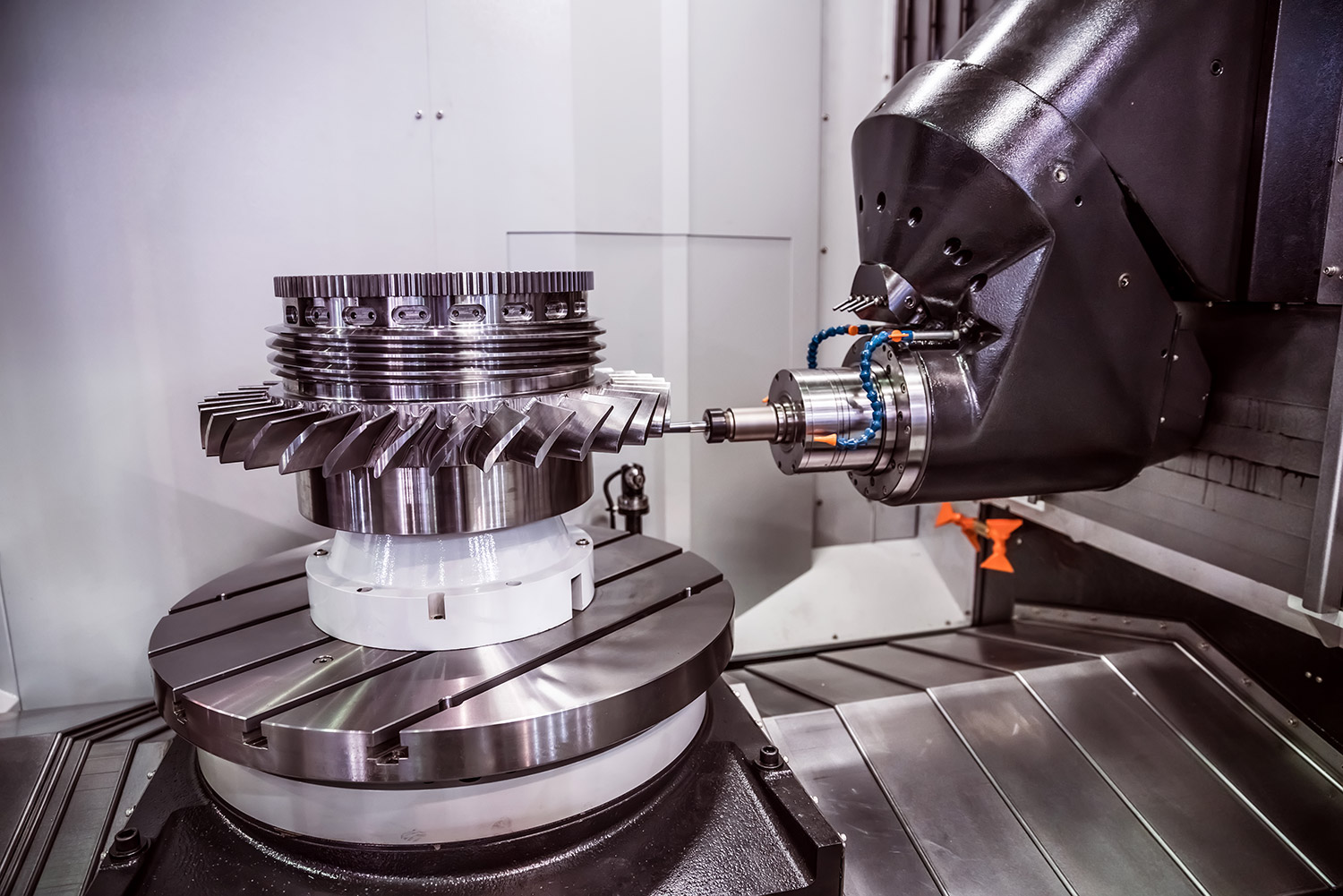
5-axis machining centers enable simultaneous movement along five axes, allowing complex geometries and reduced setup time. Industries such as aerospace and medical manufacturing rely heavily on these advanced systems for precision and efficiency.
When comparing used machining centers, align machine configuration with your part complexity, production volume, and tolerance requirements.
How to Evaluate Used Machining Centers
Properly evaluating used machinery is critical to avoiding costly downtime and unexpected repairs. A structured inspection ensures the machine meets operational standards.
Inspection Checklist
- Visual Condition: Inspect frame integrity, way surfaces, and enclosure condition.
- Operational Testing: Run spindle cycles and verify smooth axis travel.
- Spindle Performance: Check for vibration, unusual noise, or excessive play.
- Control System: Confirm CNC functionality, screen responsiveness, and software compatibility.
- Maintenance Records: Review service history, repairs, and documented upgrades.
Carefully reviewing maintenance documentation improves your ability to predict long-term reliability.
Assessing Machine Condition
When evaluating used CNC machinery, examine:
- Total machine hours and spindle hours
- Ball screw and way wear
- Tool changer condition
- Hydraulic and coolant systems
- Electrical cabinet integrity
Evidence of consistent preventive maintenance typically indicates stronger long-term performance.
Used CNC Machinery Pricing Trends
Pricing for used machining centers varies based on configuration, brand, age, and condition.
Key Pricing Factors
- Machine Type: 5-axis systems command higher values than standard VMCs.
- Condition and Hours: Lower hours and documented maintenance increase resale value.
- Brand Reputation: Established manufacturers retain stronger market demand.
- Control System Version: Modern CNC controls improve price positioning.
Market conditions and equipment availability also influence pricing. Comparing similar models across multiple listings ensures transparency.
Financing Options for Used Machining Centers
Financing solutions make acquiring used CNC machinery more accessible for growing manufacturers.
- Equipment loans with fixed payment structures
- Lease agreements for capital flexibility
- Refurbished machine financing programs
Financing allows businesses to preserve working capital while increasing production capacity.
Choosing Reliable CNC Suppliers
Selecting a trusted supplier is essential when purchasing used machining centers.
What Defines a Reliable Supplier?
- Verified reputation and customer reviews
- Detailed inspection reports
- Transparent pricing
- After-sale service support
- Parts availability assistance
Reputable dealers provide clear communication and accurate machine evaluations to help buyers make confident decisions.
Maintenance and Warranty Considerations
Long-term performance of used machining centers depends on disciplined maintenance and proper warranty coverage.
Maintenance Best Practices
- Routine lubrication and cleaning
- Scheduled spindle inspections
- Axis calibration checks
- Coolant system monitoring
Preventive maintenance reduces downtime and extends machine lifespan.
Understanding Warranty Coverage
When buying used CNC machinery, review warranty terms carefully. Look for:
- Parts and labor coverage
- Defined coverage duration
- Clear service response policies
Warranty protection reduces financial risk and strengthens overall investment security.
Final Thoughts
This CNC purchasing guide highlights the importance of structured evaluation, brand comparison, pricing awareness, and supplier verification when buying used machining centers. By carefully evaluating used machinery and working with reputable dealers, manufacturers can secure reliable used CNC machinery that delivers precision, productivity, and long-term value.