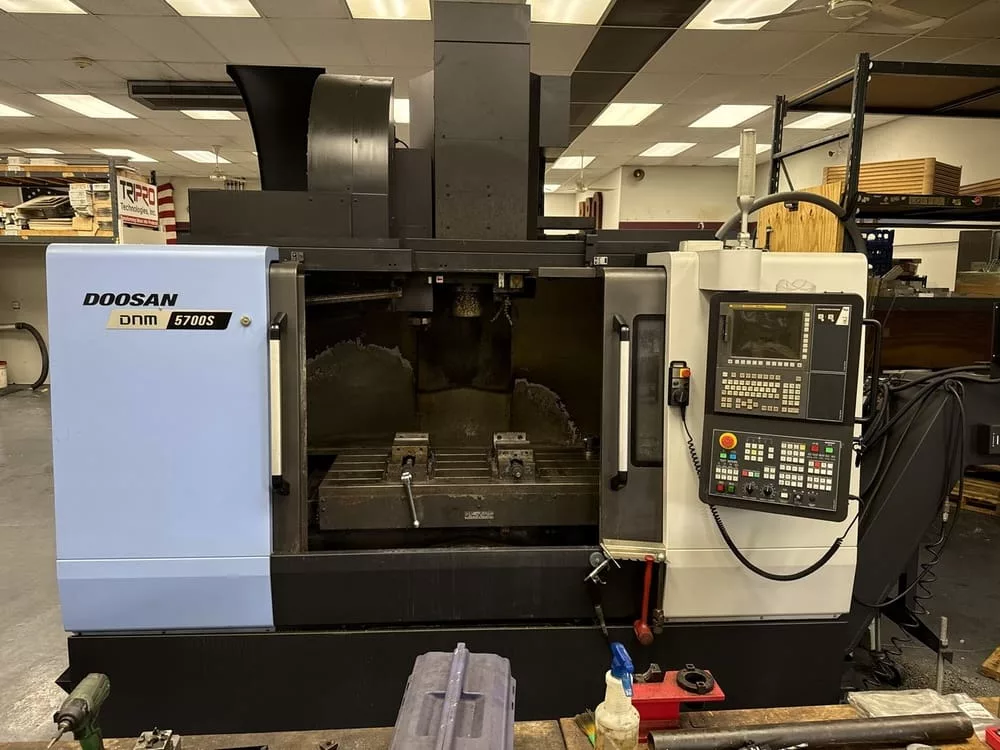
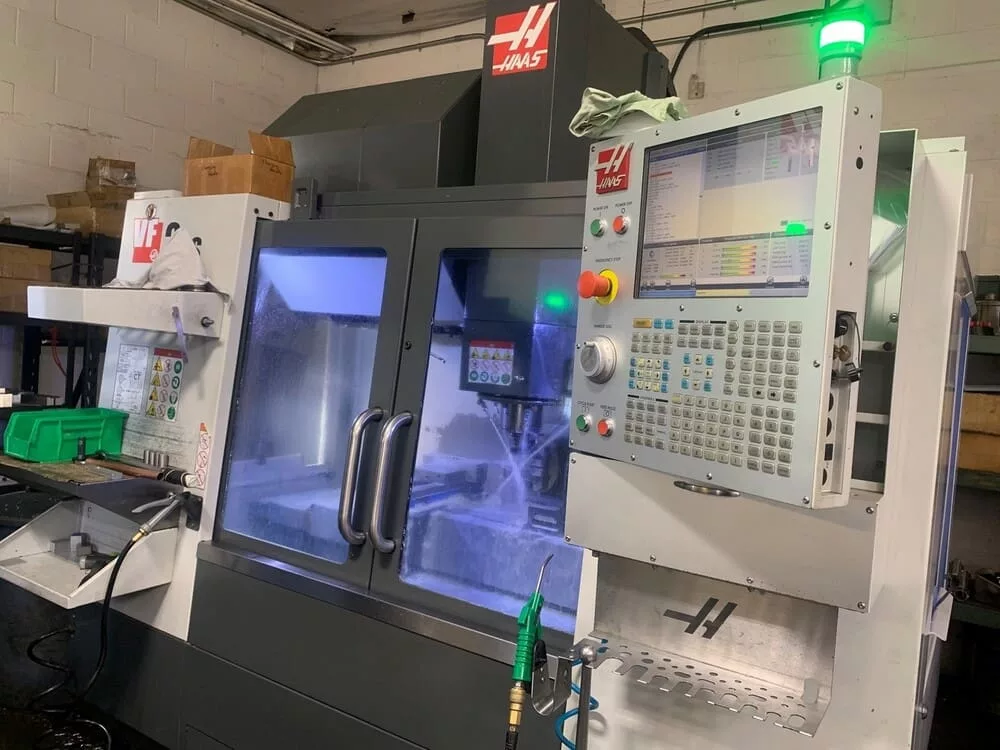
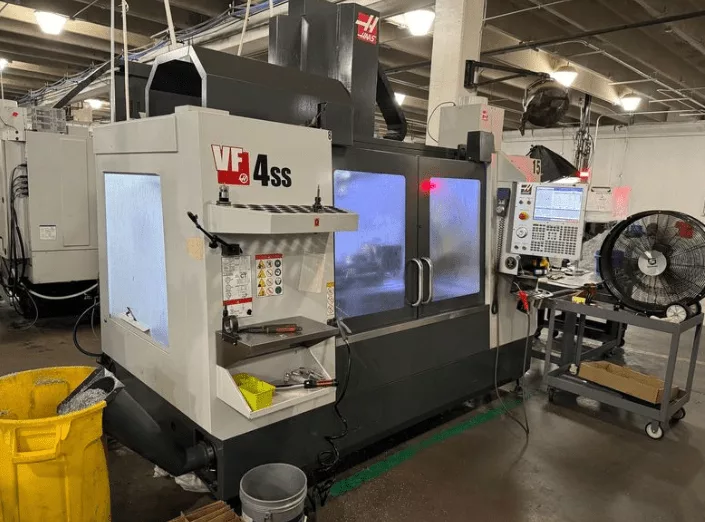
CNC Vertical Machine Centers: A Comprehensive Guide
CNC vertical machine centers are essential tools in modern manufacturing, offering precision and efficiency for a variety of machining tasks. These machines are designed for high-speed operations, making them ideal for producing complex parts with tight tolerances.
With advancements in technology, CNC vertical machine centers now come equipped with features such as automatic tool changers, advanced control systems, and enhanced safety mechanisms. This guide aims to provide insights into selecting the right CNC vertical machine center based on your specific industrial needs.
Benefits of Using CNC Vertical Machine Centers
CNC vertical machine centers offer numerous benefits, including increased productivity, improved accuracy, and reduced setup times. Their automated processes allow for consistent quality and the ability to run multiple jobs with minimal human intervention.
Additionally, the versatility of CNC vertical machine centers enables manufacturers to work with various materials, from metals to plastics. This adaptability makes them a valuable asset for businesses looking to enhance their production capabilities and respond to market demands swiftly.
How to Choose the Right CNC Vertical Machine Center
Selecting the right CNC vertical machine center involves considering factors such as size, spindle speed, and tooling options. It's crucial to assess your specific machining requirements and production volume to make an informed decision.
Consulting with industry experts or suppliers can provide valuable insights into the latest models and technologies available. Furthermore, reviewing customer testimonials and case studies can help gauge the performance and reliability of different machine centers.
Maintenance Tips for CNC Vertical Machine Centers
Regular maintenance is vital for ensuring the longevity and optimal performance of CNC vertical machine centers. Implementing a routine inspection schedule can help identify potential issues before they escalate into costly repairs.
Key maintenance practices include cleaning the machine regularly, checking fluid levels, and calibrating the machine settings. Additionally, training operators on proper usage and care can significantly reduce wear and tear, leading to improved efficiency and reduced downtime.