Lean Manufacturing for Shop Efficiency
Share Post
Lean manufacturing is a proven framework for driving continuous improvement and maximizing shop efficiency—especially in small manufacturing environments where resources are limited. By eliminating waste, optimizing workflows, and improving production flow, small shops can reduce costs, shorten cycle times, and increase throughput without major capital investment.
This guide outlines essential lean tools, equipment strategies, workflow automation techniques, maintenance practices, and real-world results that demonstrate measurable efficiency gains.
Core Lean Tools for Small Shops
Lean manufacturing centers on systematic waste elimination and operational discipline. For small manufacturers, several foundational tools deliver immediate impact:
- 5S workplace organization
- Kaizen continuous improvement
- Value Stream Mapping (VSM)
These tools help identify bottlenecks, reduce unnecessary movement, and standardize processes—directly improving shop efficiency.
5S and Workplace Organization
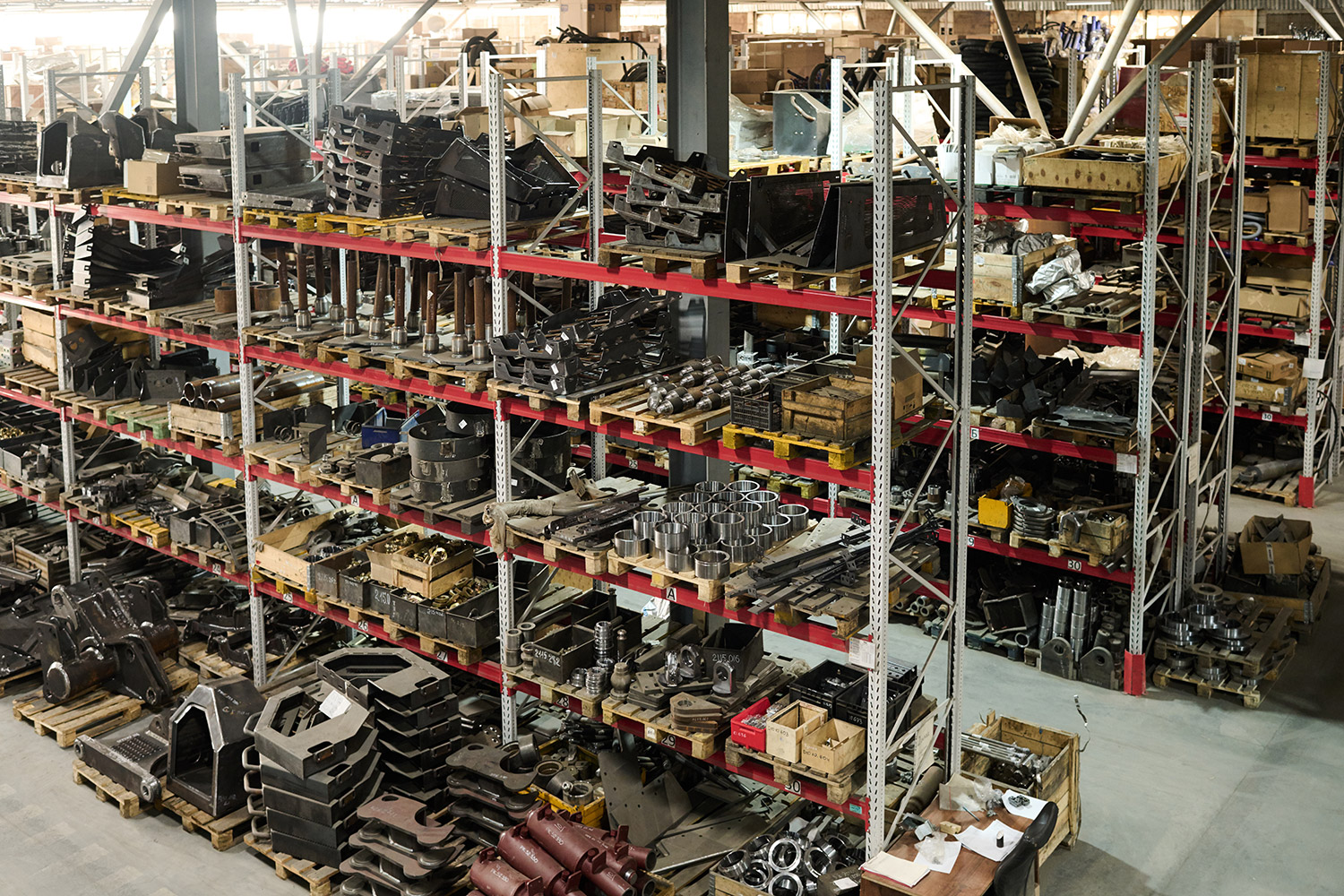
The 5S methodology—Sort, Set in Order, Shine, Standardize, Sustain—creates a structured and disciplined work environment. By organizing tools, materials, and workstations, small shops reduce wasted motion and improve production flow.
Benefits of 5S implementation include:
- Improved safety
- Reduced search time for tools
- Faster changeovers
- Cleaner, more efficient workspaces
Studies consistently show that 5S strengthens productivity and forms the foundation for sustainable lean manufacturing.
Kaizen and Continuous Improvement
Kaizen fosters a culture of continuous improvement by encouraging employees to make incremental process enhancements. In small shops, this collaborative mindset leads to faster problem resolution and higher engagement.
Rather than large-scale overhauls, Kaizen focuses on steady optimization—refining setups, reducing downtime, and improving quality control. Over time, these small gains compound into significant operational improvements.
Industrial Equipment and Lean Manufacturing
Modern industrial equipment supports lean implementation by improving precision and reducing material waste.
CNC Machinery and Workflow Optimization
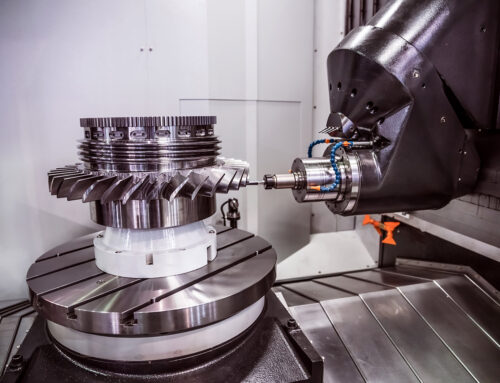
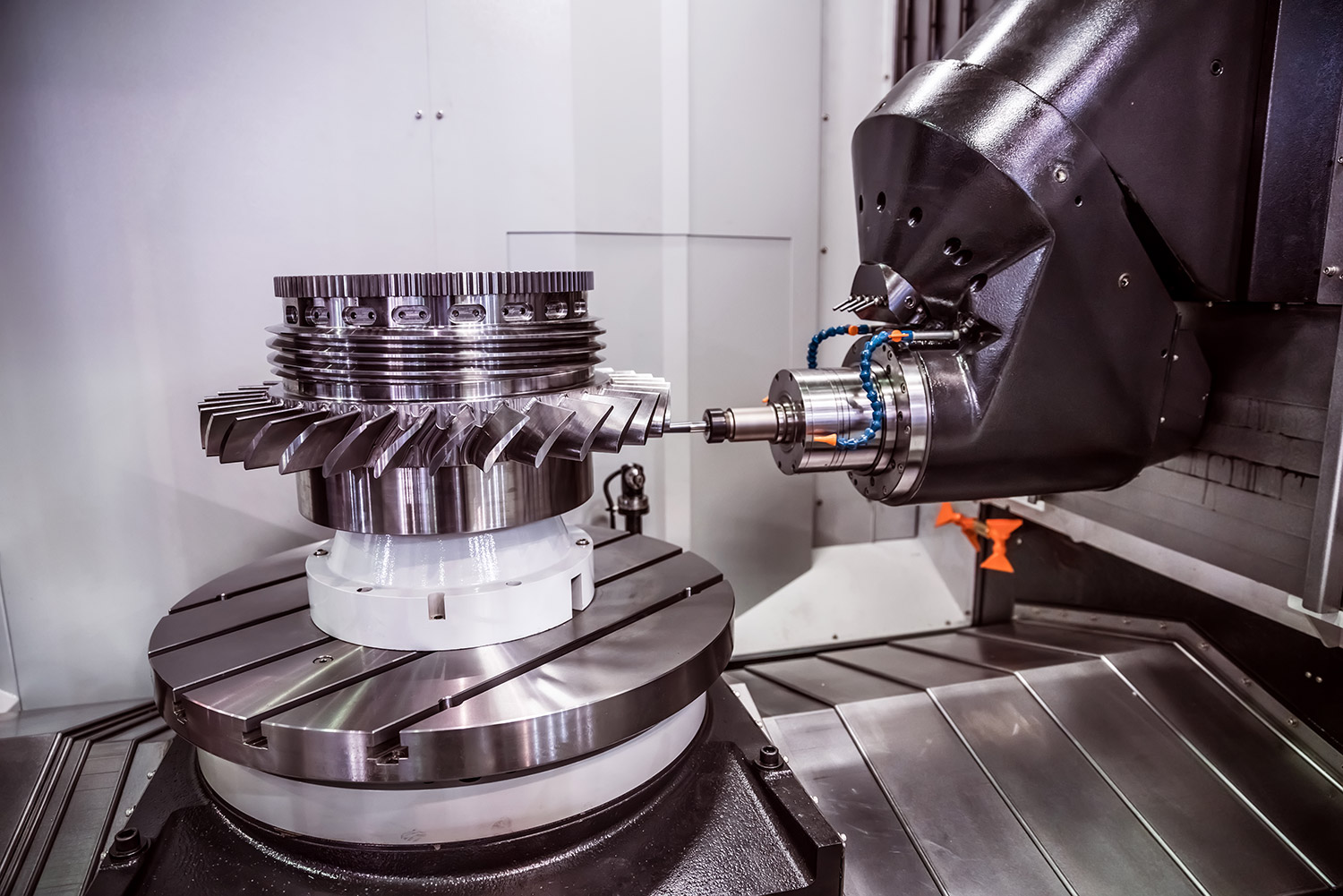
CNC machinery enhances shop efficiency through:
- High repeatability and precision
- Reduced scrap rates
- Faster setup times
- Automated complex operations
By minimizing variability and manual errors, CNC systems directly contribute to lean manufacturing objectives.
Automation and Production Planning
Workflow automation is a powerful lever for improving shop efficiency. From scheduling software to full manufacturing execution systems (MES), automation tools streamline communication and production tracking.
Automation benefits include:
- Real-time inventory visibility
- Improved production scheduling
- Reduced manual data entry
- Faster turnaround times
The level of automation should align with task complexity and repetition—small shops often benefit from targeted automation rather than full system overhauls.
Optimizing Shop Floor Layout
A lean shop floor layout minimizes travel distance, reduces bottlenecks, and improves communication.
Best practices include:
- Logical material flow
- U-shaped or cellular layouts
- Clearly marked work zones
- Easy tool accessibility
An optimized layout reduces wasted motion and supports smoother workflow, improving overall shop efficiency.
Preventive Maintenance and Lean Support
Preventive maintenance is essential to sustain lean manufacturing. Equipment downtime disrupts workflow and undermines efficiency gains.
Regular inspections, scheduled servicing, and performance monitoring:
- Reduce unexpected breakdowns
- Extend equipment lifespan
- Stabilize production schedules
- Improve overall reliability
Maintenance strategies aligned with lean principles prevent waste caused by downtime and rework.
Waste Reduction and Maintenance Integration
Combining preventive maintenance with root cause analysis strengthens continuous improvement efforts. Monitoring equipment performance and addressing underlying issues eliminates recurring inefficiencies.
When maintenance and lean manufacturing operate together, small shops experience more stable operations and consistent output quality.
Measurable Results from Lean Implementation
Real-world case studies demonstrate tangible gains from lean manufacturing in small shops.
Examples include:
- 30% reduction in production time after CNC integration
- 25% cycle time reduction through Kaizen programs
- 15% increase in throughput from workflow optimization
- Significant improvements in quality consistency
These measurable outcomes reinforce how continuous improvement and lean manufacturing drive shop efficiency and sustainable growth.
Final Thoughts
Lean manufacturing provides small shops with a structured path toward continuous improvement and operational excellence. By combining 5S organization, Kaizen initiatives, workflow automation, optimized layout design, and preventive maintenance, manufacturers can eliminate waste and elevate shop efficiency.
For small operations, lean is not about complexity—it is about discipline, data, and steady improvement. Over time, consistent lean practices create lasting competitive advantage and stronger financial performance.