Asset Management & Inventory Control
Share Post
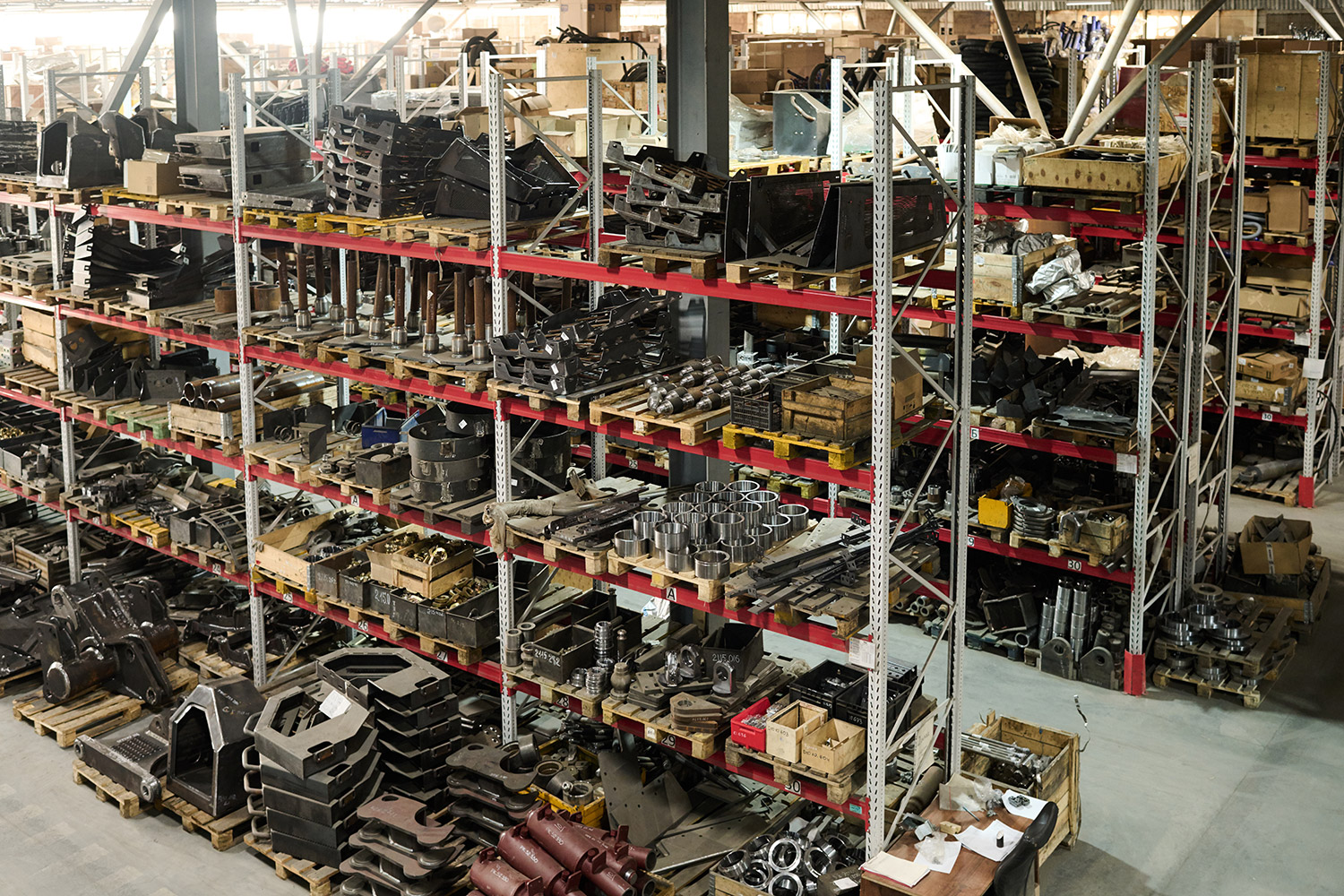
Effective asset management and inventory control are essential for manufacturers seeking greater efficiency, lower operating costs, and improved production reliability. Modern industrial environments require accurate tool tracking, real-time inventory visibility, and integrated procurement systems to eliminate waste and reduce downtime. This guide explores proven inventory control methods, industrial software solutions, and digital asset management strategies that streamline shop operations and extend equipment lifecycles.
Best Inventory Control Techniques for Manufacturing
Strong inventory control ensures materials, components, and tools are available when needed—without tying up excess capital in overstock. Effective control methods reduce waste, prevent stockouts, and improve manufacturing flow.
Core techniques include:
- Just-In-Time (JIT): Minimizes excess inventory by aligning supply with production demand
- ABC analysis: Prioritizes high-value, high-impact inventory categories
- Cycle counting: Conducts routine partial audits to maintain inventory accuracy
Research consistently supports ABC and XYZ analysis as cost-reduction tools by concentrating oversight on high-value or high-variability items. When applied correctly, these methods significantly improve operational efficiency.
How Industrial Inventory Software Improves Asset Management
Industrial inventory software strengthens asset management by providing real-time visibility into materials, tools, and equipment. These systems integrate barcode scanning, RFID, and cloud-based reporting to create centralized control over shop floor assets.
Key benefits include:
- Real-time stock level monitoring
- Automated replenishment triggers
- Improved audit accuracy
- Reduced manual entry errors
- Better capital allocation decisions
By digitizing inventory control processes, manufacturers gain actionable insights that support smarter production planning and purchasing.
Improving Inventory Accuracy with Structured Controls
Inventory accuracy directly affects production scheduling, procurement efficiency, and financial reporting. Inaccurate stock data leads to unnecessary purchases, downtime, and inflated carrying costs.
Proven accuracy strategies include:
- Regular cycle counting programs
- ABC-based counting frequency
- Digital reconciliation tools
- Standardized receiving procedures
Implementing layered inventory control protocols ensures records reflect actual shop conditions, reducing shrinkage and operational disruptions.
How Tool Tracking Enhances Equipment Lifecycle Management
Tool tracking systems are central to modern asset management strategies. By monitoring tool usage, location, and maintenance intervals, manufacturers extend equipment life and reduce unnecessary replacement costs.
Comprehensive tool management systems enable:
- Real-time location tracking
- Automated usage logging
- Preventive maintenance alerts
- Tool life analytics
Better tool tracking prevents loss, improves availability, and supports more informed purchasing decisions.
Real-Time Tool Tracking Technologies
Technologies such as RFID, barcode scanning, and IoT-enabled sensors provide immediate visibility into tool movement and usage patterns. Real-time tracking reduces search time, minimizes tool loss, and improves shop productivity.
Manufacturers leveraging digital tool tracking often report:
- Reduced tool shrinkage
- Faster setup times
- Improved technician accountability
- Higher operational throughput
Data-driven tracking transforms tool management from reactive to proactive.
Extending Asset Lifecycles Through Maintenance Scheduling
Preventive and predictive maintenance play a critical role in asset management. Scheduled service reduces emergency breakdowns and extends equipment lifespan.
Best practices include:
- Automated maintenance alerts
- Usage-based service intervals
- Historical performance tracking
- Compliance documentation
Predictive maintenance, powered by analytics and machine data, allows manufacturers to anticipate failures before they occur—minimizing downtime and repair costs.
Integrating Procurement with Inventory Control
Procurement integration is a cornerstone of efficient asset management. When purchasing and inventory systems operate in silos, businesses overstock materials, miss reorder windows, and increase carrying costs.
Best practices include:
- Shared real-time inventory dashboards
- Demand forecasting analytics
- Automated replenishment workflows
- Supplier performance tracking
Academic research supports integrated frameworks that combine procurement, production planning, and inventory control into unified decision-making systems. This alignment reduces purchasing waste and improves supplier negotiation leverage.
Measuring Inventory and Asset Optimization Success
To evaluate performance, manufacturers should track:
- Inventory turnover ratio
- Stock accuracy percentage
- Order fulfillment rates
- Lead time reduction
- Tool utilization rates
Monitoring these KPIs enables continuous improvement and ensures inventory control systems deliver measurable financial impact.
Digital Trends in Asset Management
Manufacturing asset management continues to evolve with emerging technologies:
- IoT-enabled asset tracking
- Predictive maintenance analytics
- Cloud-based inventory platforms
- Advanced data dashboards
IoT-connected systems provide real-time machine condition monitoring, enabling predictive insights that reduce downtime and improve sustainability. These digital innovations strengthen inventory control while enhancing production efficiency.
Choosing the Right Industrial Inventory Software
Selecting inventory software requires evaluating features that support both asset management and operational scalability.
Manufacturers should prioritize:
- Real-time inventory visibility
- Integration with ERP and accounting systems
- Tool tracking capabilities
- User-friendly interfaces
- Scalable cloud architecture
A properly implemented system unifies inventory control, procurement, and tool tracking into one centralized management framework.
ROI of Tool Tracking and Inventory Systems
Case studies consistently demonstrate that structured asset management and tool tracking systems generate measurable returns. Common results include:
- 20–30% reduction in tool loss
- Improved inventory turnover
- Reduced downtime
- Lower carrying costs
- Increased production efficiency
Investing in modern inventory control infrastructure is not simply a technology upgrade—it is a strategic move that improves operational reliability and financial performance.
Final Thoughts
Effective asset management, disciplined inventory control, and advanced tool tracking systems are essential for manufacturing efficiency. By integrating procurement, adopting digital tracking technologies, and implementing structured control methods, manufacturers gain real-time visibility, reduce waste, and extend equipment lifecycles.
A data-driven approach to inventory management strengthens operational resilience and positions manufacturing businesses for scalable, sustainable growth.