CNC Supply Chain Management Insights
The CNC supply chain management landscape is rapidly evolving, making it essential for professionals in the industry to stay informed. This section aims to provide a comprehensive overview of the key trends, technologies, and practices that are shaping the future of CNC supply chains.
From automation advancements to supply chain resilience strategies, understanding these elements can help businesses adapt and thrive. For example, the integration of IoT devices is enhancing real-time tracking of inventory, leading to more efficient operations and reduced costs.
Latest Trends in CNC Supply Chains
Staying updated on the latest trends in CNC supply chains is crucial for maintaining a competitive edge. This section highlights emerging trends such as digital transformation, sustainability practices, and the shift towards just-in-time (JIT) manufacturing.
For instance, many companies are adopting eco-friendly materials and processes to reduce their carbon footprint. Furthermore, the rise of data analytics is enabling organizations to forecast demand more accurately, thereby optimizing inventory levels and minimizing waste.
Challenges in CNC Inventory Management
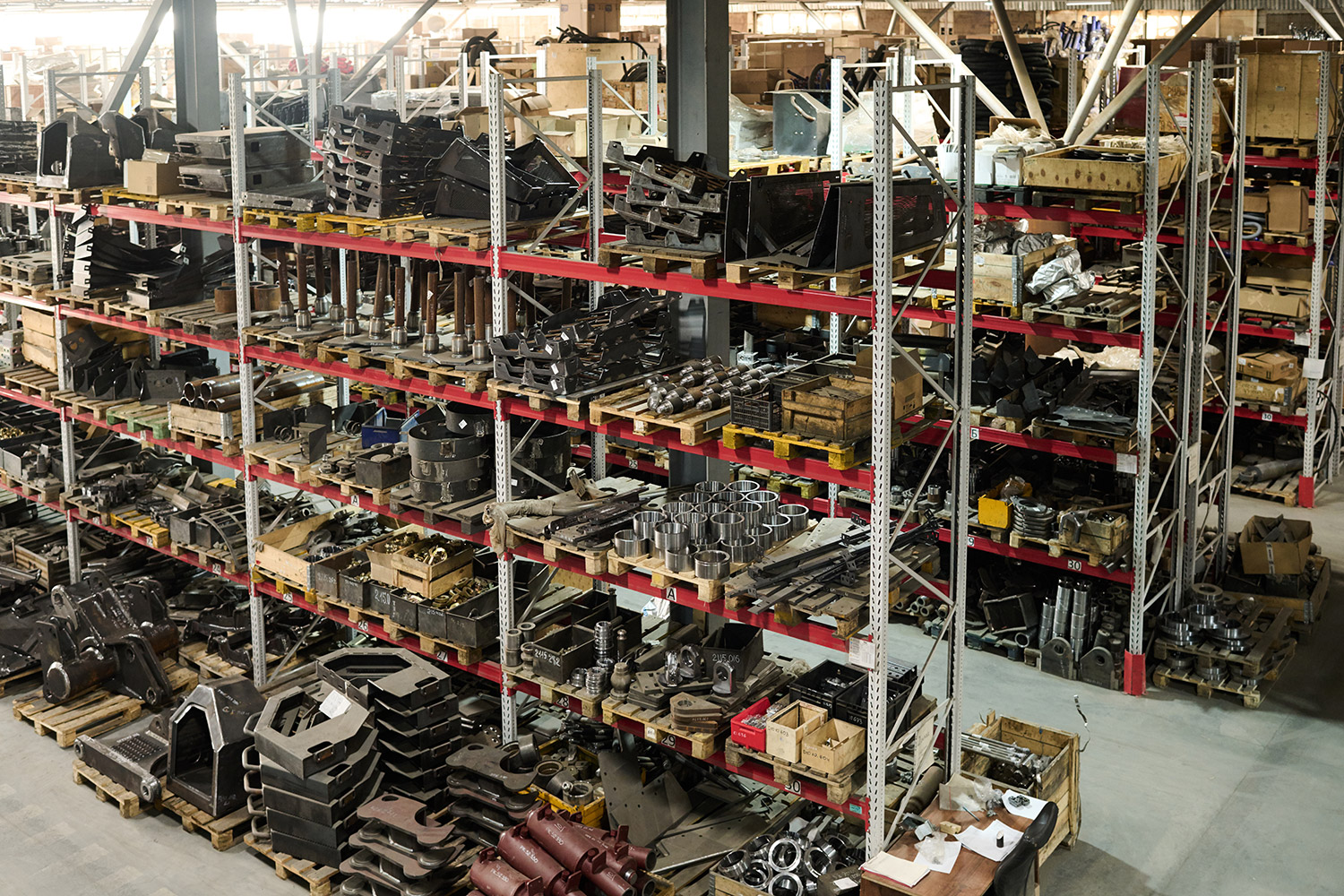
Effective inventory management poses significant challenges in the CNC industry, particularly in balancing supply and demand. This section discusses common issues faced by businesses, such as stockouts, overstocking, and inaccurate demand forecasts.
Addressing these challenges requires implementing robust inventory tracking systems and leveraging predictive analytics. For example, utilizing software that analyzes historical sales data can help companies make informed decisions about inventory replenishment and reduce excess stock.
Best Practices for Supply Chain Optimization
Implementing best practices for supply chain optimization can lead to significant improvements in efficiency and cost savings. This section outlines key strategies, including vendor management, lean manufacturing principles, and continuous improvement initiatives.
For example, fostering strong relationships with suppliers can enhance communication and collaboration, leading to better pricing and reliability. Additionally, adopting lean practices can help eliminate waste and streamline processes, ultimately increasing profitability.